
Working Class Zer-oops Middle Class Holes 21 - Matt Haig
Oh give over

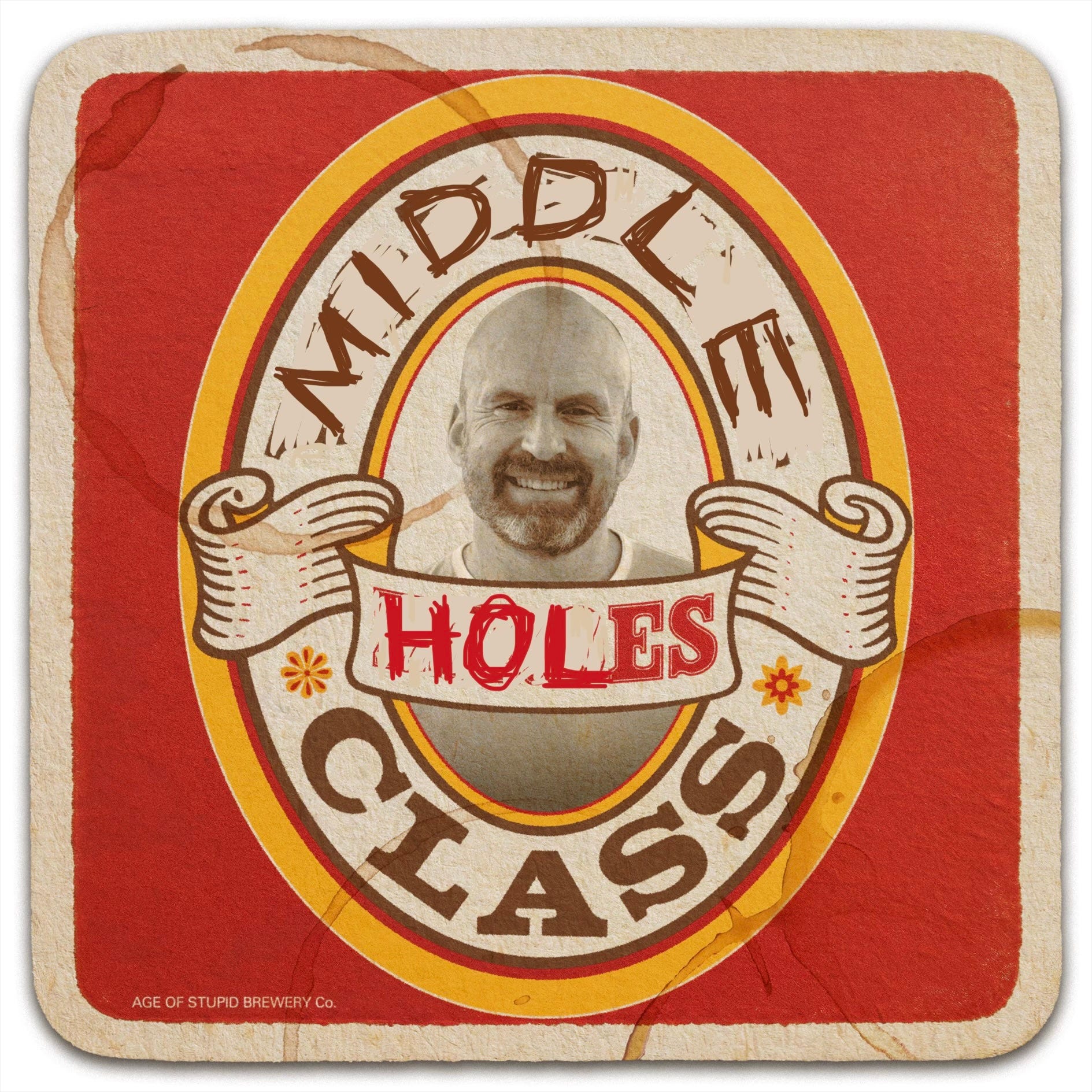
You may have picked up that an emergency modification has taken place.
I was well into the work of compiling this entry when I thought I’d better check, as I always do, that I had all the facts straight. It was then that I discovered that this target - who I’d knocked out of Middle Class Holes and into Working Class Zeroes some time ago - was born to a headmistress mother and an architect father. Oops!
This necessitated a remix, as you will see from the carefully recrafted graphic above. Normal WCZ service will resume next week (and for particular devotees of the currently lesser-spotted, don’t worry - there are plenty, plenty more of those on the horizon …)
* * *
I’m always rattling on in these pages about how almost all of our big contemporary problems are, at their root, knots that are downstream of affluence. We are an awfully discontented bunch of ingrates, really, considering how much we have, in practical terms and in abstract terms. Compared to any of our millions of generations of ancestors, we are having a high old time. Even the flattened economic stagnation of Europe over the last two decades has hardly really dented our lifestyles. We never have to worry very much or very long about hunger, sanitation, freely flowing electricity, etc. We live at a base level of material conditions that would be regarded as luxurious by almost anybody in the past.
So why don’t we feel happier about it?
Time and again in these series. we’ve met very privileged people living in idyllic conditions having a right old moan. I’m hardly immune to it myself. Very few of us are. Think, for example, of a fourteenth century peasant - with a cruelly low feudal station in life, against a backdrop of constantly waging war, with tides of plague crashing in and out. How would he or she react to our bouts of anxiety and depression, our nights slumped scrolling and sighing at our gadgets?
It is very hard for us to keep that ‘natural’ state of human life - grubby and grubbing - in our heads. We can only react to current external stimuli. That’s why so many of us are rending our garments about ‘poverty’, a problem that has all but disappeared in the West. Some, in fact, spend our time agitating against the economic system which has achieved that phenomenal result. Poverty isn’t something created by consumer capitalism, but destroyed by it.
But it is pointless to huff judgementally in this way. A large minority find modern living, with all its amenities and conveniences, a cue for ennui. Because, I think. it is hard to live in an affluent world without meaning. Individual liberty is/was a marvellous achievement, yes - but it also cuts you adrift. Having a place and station in life was, however grotty, reliable. Freedom really suits some people; but some people get hopelessly lost in it.
A phrase I heard quite a lot in my distant youth, but that you hardly ever do now, springs to mind; ‘That lot have got too much time on their hands’. It was pronounced usually by much older people, my grandparents or even great-grandparents, generation. These were folk who could remember times before the truly technological age. It was their standard response when confronted by agitators, demonstrators, and the busy discontented of all stripes.
This is a secular reworking of the old proverb about the Devil finding work for idle hands to do. (Not actually in the Bible - the first written use of the concept is in the writings of St Jerome in the 4th century - ‘Do something, so that the Devil may always find you busy’.) Convenience and leisure may not in fact bring contentment and satisfaction.
You could, indeed, make a case that the entirety of progressive thought is an offshoot of free time; affluence causing agitation to destroy that affluence.
Depression, then, is a first world problem. But I don’t mean that in a derogatory way. I think it’s essential to understanding and addressing depression, to realise that it is another side effect of affluence. That doesn’t make it less real, or less awful to experience. But we were built to strive and struggle. We had to be that way, to survive. Take away those stresses and the human being will devise its own internal ones.
But who can cure us of the anxiety and depression that bedevil us in our modern world?
Meet today’s subject, novelist and inspirational self-help guru Matt Haig. Haig, who lives in Brighton with his wife and children, was born in 1975 and attended state schools in a Sheffield suburb (which was what gave me my bum steer in his class categorisation). After a degree in English and History from Hull, he has written a slew of novels in the genre labelled ‘speculative fiction’, which is a posh and grown-up way of saying fantasy fables. These include his biggest hit The Midnight Library (2020). He has also published books of uplifting self-help designed to raise people from the dumps. The most famous of these is his memoir Reasons To Stay Alive (2015), which relates his own experience of anxiety and depression (”should be on prescription” - The Revd Richard Coles).
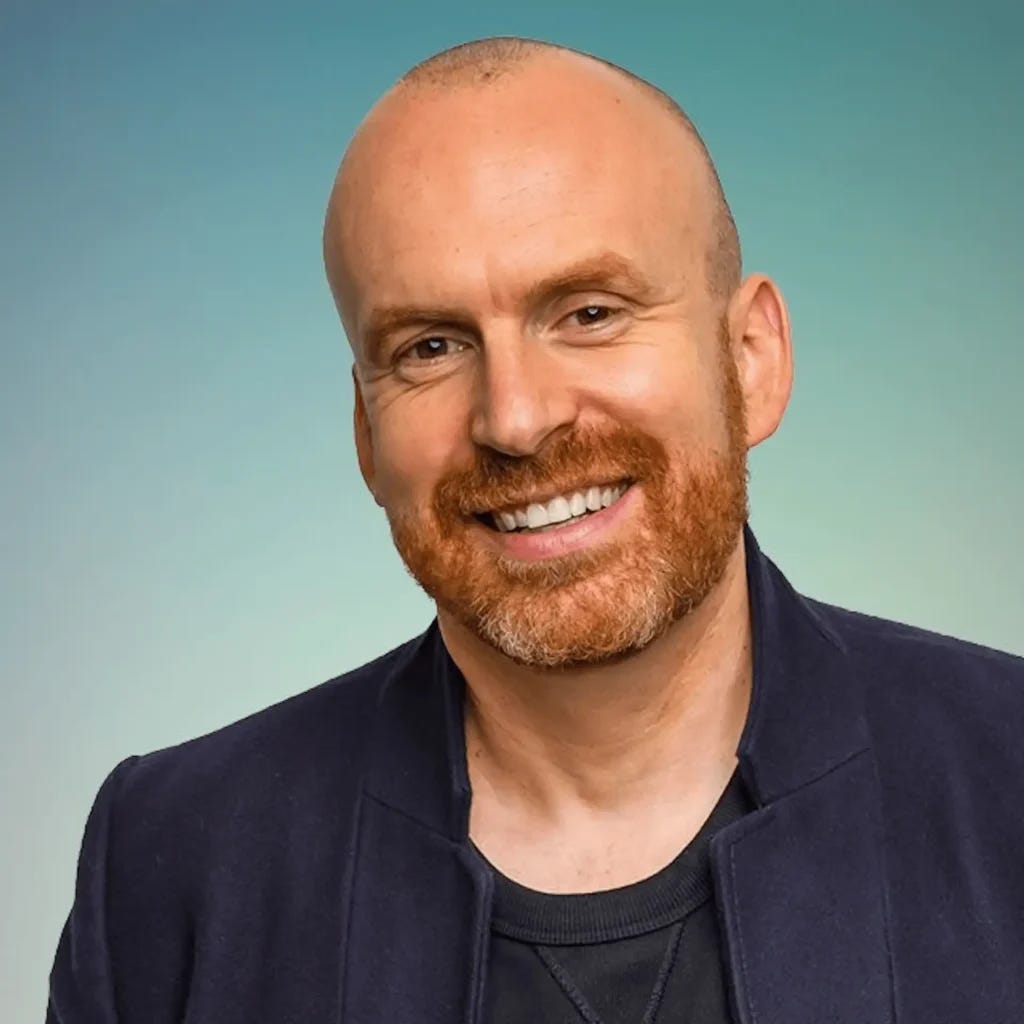
The Comfort Book (2021) is ‘for anyone in search of hope, looking for a path to a more meaningful life, or in need of a little encouragement’.
These were all huge bestsellers (though even for big hits, there is a curiously high prevalence of them in second hand shops).
Now, I do not want to decry anything that brings people relief from their troubles, even if it doesn’t float my specific boat. Even, in fact, if it frequently makes me hoot with derision. The horrific shutdown of clinical depression - a total absence of interest in life combined with the endless hotplate of anxiety - is not something I’d wish on anybody. If you’ve got that - well, any balm that works for you, reach for it, quick.
My concern here is whether the writings of Matt Haig are up to that task.
I’ll walk you through some of the choicest quotes of his ouevre. Most of these are selections flagged up by his readers, things that presumably gave them solace.
